
MOTS-c
Price range: $49.00 through $61.00
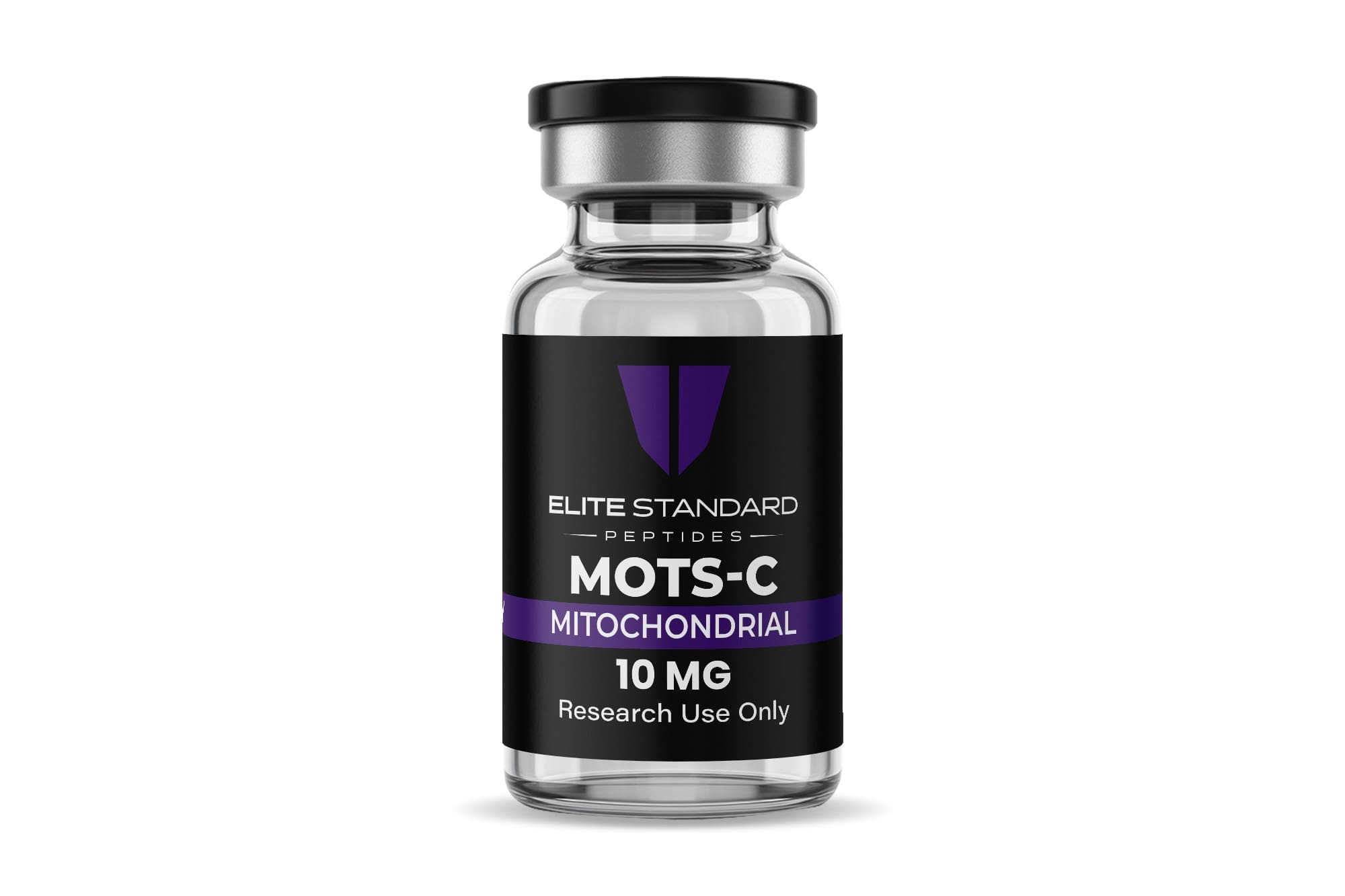
MOTS-c is a 16-amino acid in the mitochondrial DNA and is part of the mitochondrial-derived peptide (MDP) group. It’s used in studies to better understand how cells produce energy, how they use glucose, and how they respond to metabolic stress. MOTS-c is third-party tested for purity, product level, and correct compound identity. It’s for research purposes only and not for human or veterinary use. It’s designed for researchers, laboratories, and educators requiring a consistent peptide for their controlled metabolic and signaling studies. MOTS-c is used in structured models involving energy regulation, glucose signaling, stress adaptation, and mitochondrial research. Not intended to diagnose, treat, cure, or prevent any disease.
Additional information
| Weight | 0.02 lbs |
|---|---|
| Compound | |
| Form | Lyophilized powder |
| Storage | • Avoid repeated freeze–thaw cycles during laboratory handling, • For extended storage, sub-zero laboratory conditions may be utilized prior to reconstitution, • In research environments, refrigerated conditions (2–8°C / 36–46°F) are commonly used after reconstitution |
| Compliance | For laboratory, analytical, and educational research only |
| Notice | Not intended to diagnose, treat, cure, or prevent any disease |
Key Features
- For research use only – Only intended for laboratory, analytical, and educational research. Not a drug, supplement, or medical product.
- Third-party tested – Each batch is checked by an independent lab 3x to confirm (1) purity, (2) the labeled amount (mass), and (3) the correct compound (identity).
- Studied in metabolic and glucose regulation models – Appears in research looking at how cells handle glucose and respond to insulin-related signals. Researchers measure how energy is stored, released, and used under normal and stress conditions in structured metabolic models.
- Studied in mitochondrial-to-nuclear signaling research – Research shows that MOTS-c can move mitochondria, the “power centers” of the cell, to the nucleus. It may influence gene activity during metabolic stress, helping researchers study how cells adapt when energy demands change.
- Studied in energy stress and exercise-related models – Research shows MOTS-c levels can change during physical stress or increased energy demand in experimental settings. It’s often included in models measuring endurance-related signaling and metabolic flexibility.
- Studied in inflammation and metabolic stress pathways – MOTS-c appears in studies measuring inflammatory markers linked to metabolic stress in controlled research environments. Researchers examine how signaling pathways shift when cells are under strain.
- Referenced in aging-related metabolic research – In experimental systems, some studies examine how MOTS-c levels change with age in models focused on metabolic resilience and how cells respond to long-term energy stress.
- Free shipping on orders over $150

Reviews
There are no reviews yet.